Source Electrical Windshield Washer Nozzle for Cars, Trucks, Buses
Compare 30 electrical windshield washer nozzle options from verified suppliers. Buyers can evaluate specifications like spray angle, material, and pressure range to find suitable parts for automotive maintenance and repair applications; compare the available evidence and request quotations based on your requirements.
Key considerations
Products List


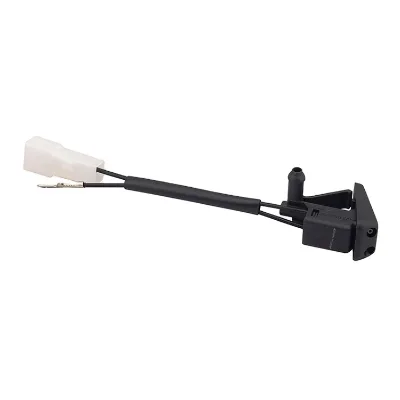


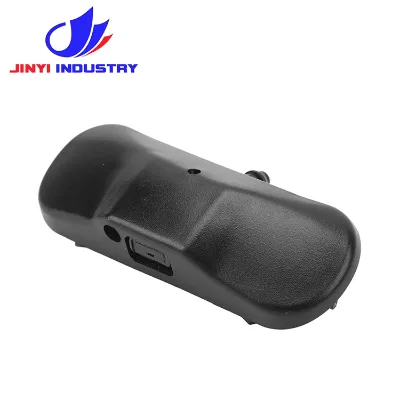
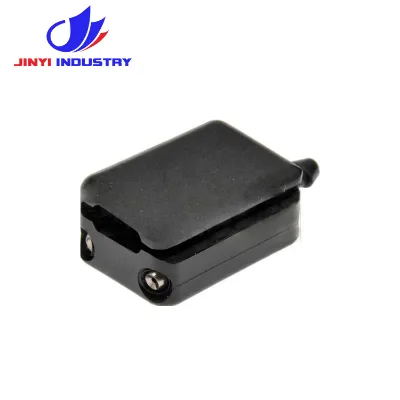
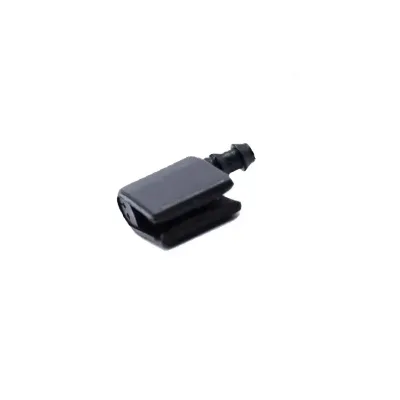

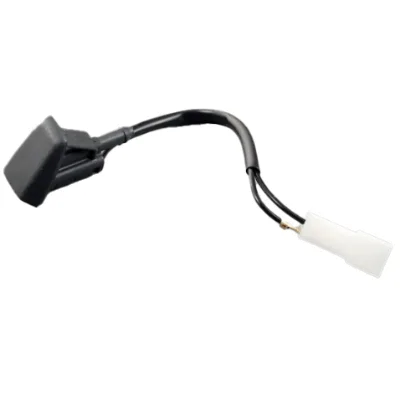
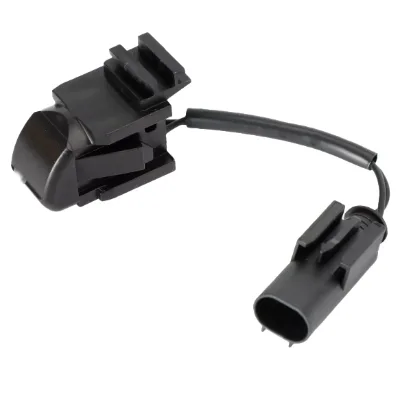

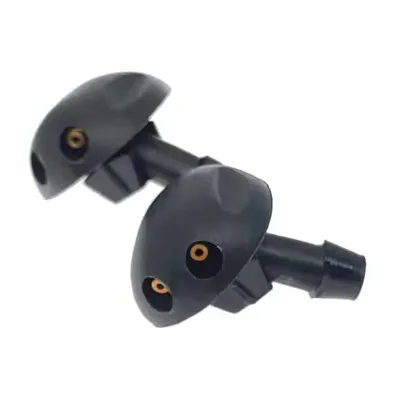
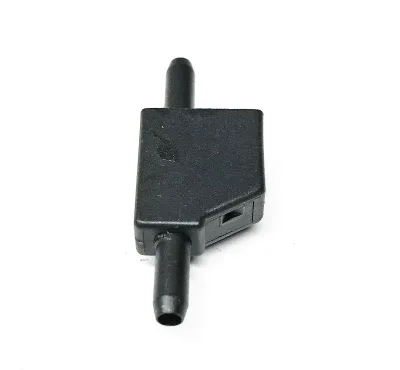
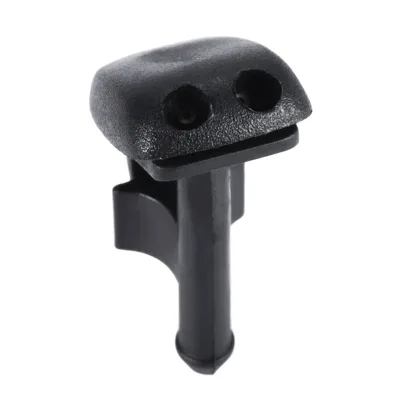
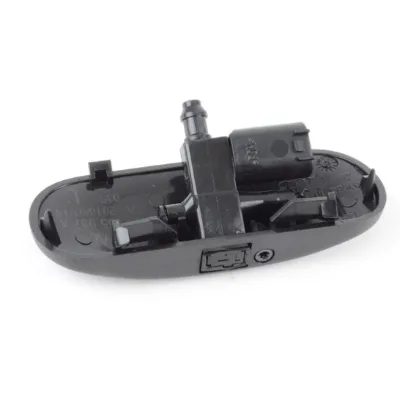
Comprehensive Sourcing Guide
Electrical Windshield Washer Nozzle Sourcing Guide
Sourcing electrical windshield washer nozzles requires a nuanced understanding of both fluid dynamics and integrated heating elements. These components are critical for maintaining visibility in adverse weather, combining precise spray patterns with rapid defrosting capabilities. Buyers must distinguish between standard plastic nozzles and those with embedded heating wires, as the latter involves more complex supply chain considerations. The core keyword highlights a specific subset of washer systems where electrical conductivity is essential for performance in cold climates.
Procurement teams should focus on verifying the material composition and structural integrity of these nozzles. Common materials include PA66 and copper, which offer durability against high temperatures, wear, corrosion, and oil resistance. The spray angle and pattern, such as a 60-degree solid stream, directly impact cleaning efficiency. Understanding these technical parameters ensures that the selected nozzles meet the specific requirements of the vehicle’s windshield geometry and washer fluid distribution needs.
Product Scope and Observed Listing Signals
The market for electrical windshield washer nozzles presents a diverse range of product listings, with observed prices ranging from $0.01 to $23 USD. This wide variance often reflects differences in material quality, such as standard plastic versus PA66 with copper heating elements, and the inclusion of additional features like heating functions. Buyers should note that low-cost options may lack the durability required for long-term automotive use, while higher-priced items often include specialized packaging and certified quality standards.
Minimum Order Quantities (MOQ) vary significantly, ranging from single pieces to 1,000 units, with some suppliers offering samples for evaluation. This flexibility allows buyers to test product performance before committing to large orders. Observed listings indicate that customization is available, allowing for specific color codes following Pantone and RAL standards. Understanding these listing signals helps buyers align their procurement strategy with their volume requirements and quality expectations, ensuring they select suppliers who can meet their specific operational needs.
Technical Specifications to Verify
When evaluating electrical windshield washer nozzles, verifying the pressure range is crucial, with typical operating pressures between 60-100 PSI. The spray pattern, often a solid stream, must be consistent to ensure effective cleaning without excessive fluid waste. Buyers should also check the tensile strength, which should be at least 18MPa, and creep resistance, typically around 16%, to ensure the nozzle maintains its shape and function under stress. These mechanical properties are vital for withstanding the vibrations and temperature fluctuations encountered in automotive applications.
The integration of heating functions requires careful verification of the electrical components, often involving copper wiring embedded within PA66 plastic. The structure is typically a single hole, but the presence of a heating element adds complexity to the design. Buyers should confirm the side of installation, such as the passenger side, and ensure compatibility with the vehicle’s windshield wiper system. Additionally, the surface finish, whether textured, polished, or painted, can affect both aesthetics and durability, making it an important specification to review during the sourcing process.
Compliance and Safety Documentation
Ensuring that electrical windshield washer nozzles meet relevant safety and performance standards is essential for automotive compliance. Buyers should request documentation that verifies the nozzles’ resistance to high temperatures, corrosion, and oil, which are common in engine compartments and undercarriages. The material specifications, such as PA66 and copper, should be backed by material safety data sheets (MSDS) to confirm their suitability for automotive use. This documentation helps mitigate risks associated with material failure or electrical hazards.
Certifications related to electrical safety and environmental regulations should also be verified, especially for nozzles with heating functions. Buyers should ensure that the suppliers adhere to international standards for automotive components, which may include specific testing protocols for durability and performance. The absence of specific certification names in general listings does not imply non-compliance, but buyers must actively seek proof of adherence to relevant standards. This due diligence is critical for maintaining product quality and ensuring that the nozzles meet the regulatory requirements of the target market.
Cost Drivers and Commercial Terms
Several factors influence the cost of electrical windshield washer nozzles, including material costs, manufacturing complexity, and order volume. The inclusion of heating elements and copper wiring increases production costs compared to standard plastic nozzles. Buyers should consider the trade-off between initial cost and long-term durability, as higher-quality materials like PA66 may offer better value over time. Additionally, customization options, such as specific colors or packaging, can impact the final price, so buyers should clarify these requirements early in the sourcing process.
Commercial terms, including MOQ and lead times, play a significant role in procurement planning. Observed lead times of around seven days suggest that suppliers can offer relatively quick turnaround for standard orders. However, buyers should negotiate terms that align with their inventory management strategies, considering the supply ability of suppliers, which can range from 50,000 pieces per month. Understanding these commercial terms helps buyers optimize their supply chain, ensuring timely delivery while managing costs effectively.
Supplier Qualification and Quality Control
Selecting the right supplier for electrical windshield washer nozzles requires a thorough qualification process. Buyers should assess the supplier’s production capabilities, including their ability to handle complex materials like PA66 and copper. Quality control measures, such as tensile strength testing and pressure testing, should be verified to ensure consistent product performance. Suppliers with a history of providing high-quality products and positive customer feedback are preferable, as they are more likely to meet the buyer’s expectations.
Sample evaluation is a critical step in supplier qualification, allowing buyers to test the nozzles’ performance in real-world conditions. Buyers should request samples to verify the spray pattern, heating function, and overall durability. Additionally, suppliers should provide clear packaging details, such as PE bags or boxes, to ensure safe transportation. By focusing on these quality control aspects, buyers can minimize the risk of receiving defective products and ensure that their supply chain remains reliable and efficient.
Long-Term Procurement Checks
Establishing long-term procurement relationships with reliable suppliers is essential for maintaining a steady supply of electrical windshield washer nozzles. Buyers should conduct regular audits of supplier performance, focusing on delivery times, product quality, and responsiveness to issues. Continuous monitoring helps identify potential supply chain disruptions early, allowing buyers to take proactive measures to mitigate risks. Building strong relationships with suppliers can also lead to better pricing and priority service during high-demand periods.
Regular review of product specifications and market trends is also important for long-term procurement success. Buyers should stay informed about advancements in nozzle technology, such as improved materials or more efficient heating elements, to ensure they are sourcing the best available products. Additionally, maintaining open communication with suppliers regarding future needs and potential changes in requirements helps ensure that the supply chain remains flexible and adaptable. By focusing on these long-term checks, buyers can secure a stable and efficient supply of electrical windshield washer nozzles.
FAQs
What material is used for the electrical windshield washer nozzle?
The nozzle is primarily constructed from high-quality plastic, specifically PA66, with some components incorporating copper for enhanced durability. This material selection ensures the part is resistant to corrosion, oil, and wear, making it suitable for harsh automotive environments. The plastic body provides structural integrity while the copper elements support the heating function effectively.
Does the windshield washer nozzle have a heating function?
Yes, the product features a built-in heating function to prevent freezing in cold climates. This capability ensures reliable operation during winter months by keeping the washer fluid fluid. The heating element is integrated into the plastic and copper assembly, providing consistent performance without compromising the nozzle's structural integrity or spray pattern accuracy.
What is the spray angle and pattern of this nozzle?
The nozzle delivers a solid stream spray pattern with a precise 60-degree spray angle. This configuration ensures targeted coverage of the windshield for effective cleaning. The design maintains a consistent flow under the specified pressure range, allowing drivers to clear debris efficiently without excessive fluid waste or uneven distribution across the glass surface.
Can I customize the color of the windshield washer nozzle?
Customization is available for the nozzle color, allowing buyers to follow specific Pantone or RAL codes. This flexibility ensures the part matches the vehicle's aesthetic requirements or brand standards. The surface finish can also be tailored with options like texture, polishing, or painting to meet specific design and functional needs for automotive applications.
What is the minimum order quantity for these nozzles?
The minimum order quantity starts at just one piece, making it accessible for small purchases or sampling. Some listings indicate a minimum of two bags for bulk packaging. This low MOQ allows buyers to test product quality and fit before committing to larger orders, reducing initial procurement risk and inventory costs for small-scale operations.
How long is the delivery time for these nozzles?
The standard delivery time is approximately seven days from order confirmation. This rapid turnaround supports urgent procurement needs and minimizes downtime for vehicle maintenance or assembly lines. Buyers should confirm specific lead times with suppliers, as production schedules and shipping methods may slightly affect the final arrival date at the destination port.